A mobile mechanic can earn more than a garage owner with an empty ramp. A workshop can earn more when it turns driving time into hours customers pay for and brings in jobs that need a lift, specialist equipment or somewhere to keep a car overnight.
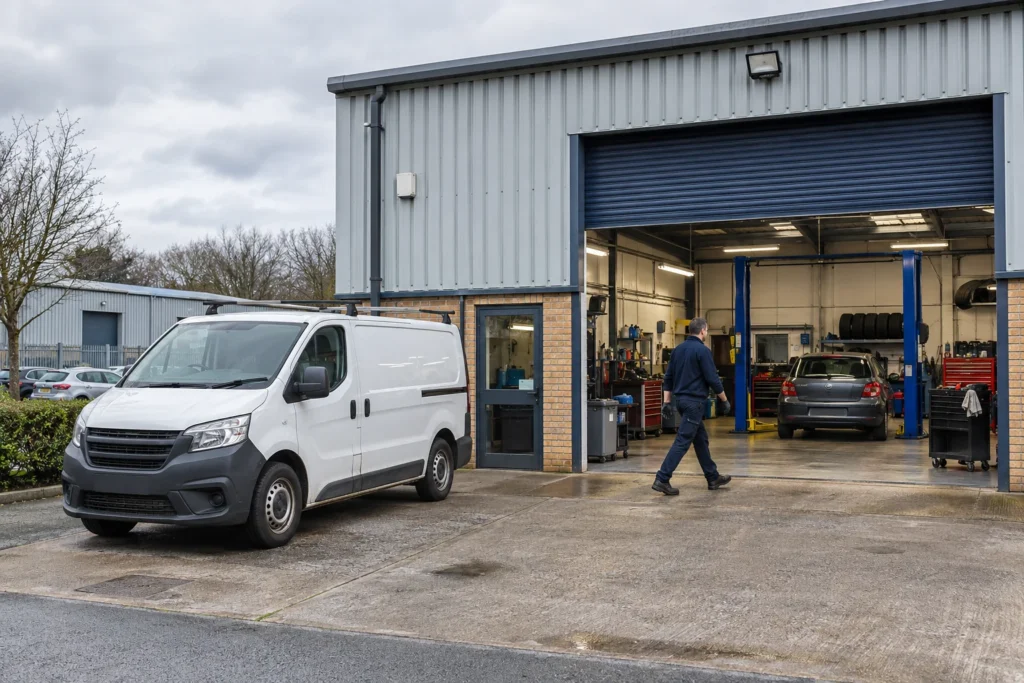
If you’re choosing between the two, start with the work you can realistically book in your area. Then work out how much of your week you can invoice, what you keep from each job and how much you’ll still have to pay in a quiet month.
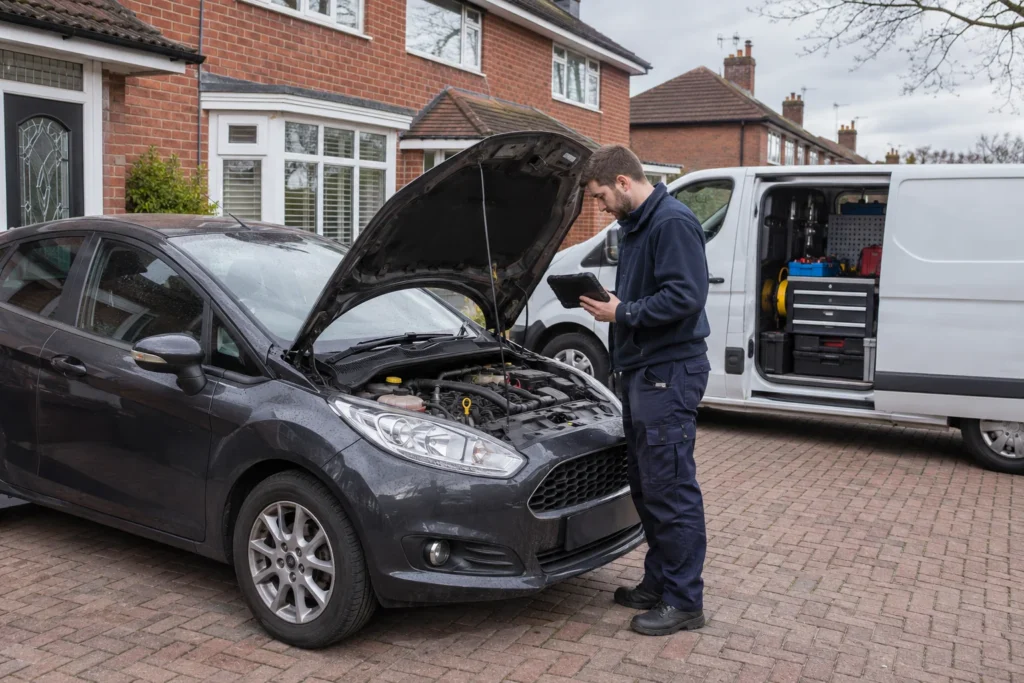
Mobile work can suit servicing, batteries, fault finding and other jobs you can complete in one visit with the equipment you carry. It gets easier to make the numbers work when several customers are in the same area or a fleet customer has two or three vehicles ready at one site.
The biggest cost of a long drive is often the time it takes out of the diary. Say you charge £70 for an hour’s labour, drive for 40 minutes and spend another 20 minutes setting up and doing paperwork. You’ve earned £35 per hour of your time before fuel, parts profit or any visit fee. If you can book two jobs at the same address, that journey serves both.
A minimum visit price can cover the drive, setup and a clearly defined amount of work. You could charge separately for attendance or include it in the first hour. Tell the customer what’s included and what happens if the fault needs more investigation or a second visit. A diagnostic appointment might end with a confirmed fault and a repair quote, so price the investigation as a job of its own.
Before you accept a booking, check the registration, the symptoms, where the car is parked and whether you can get to it. One wrong part can mean two trips for one invoice. If you need to raise the vehicle, the Health and Safety Executive advises checking that the ground is firm and level and moving the vehicle to a safer place if the site is unsuitable.
Source: HSE guidance on working under vehicles
Your van is both transport and tool storage. Build in money for maintenance, insurance, tyres, replacing tools and dealing with a van breakdown. Add software, diagnostics subscriptions and the cost of handling waste oil and other workshop waste. Leave room for cancellations and outdoor jobs you have to rearrange. Look at a month’s worth of routes before deciding how far you can afford to travel.
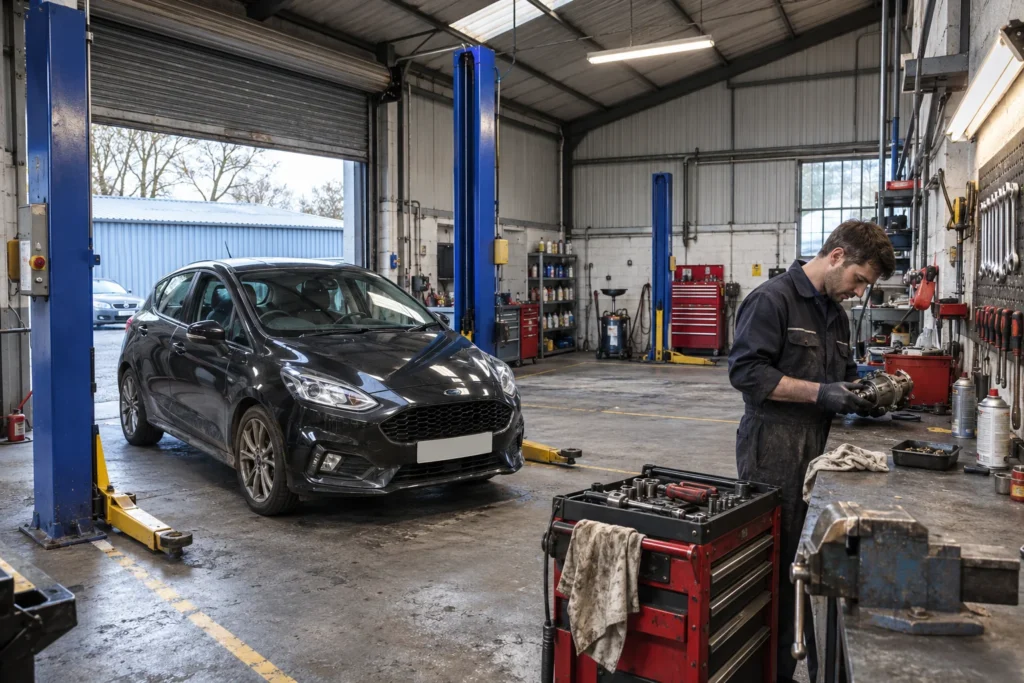
A ramp and a covered bay open up work that’s harder to do on a driveway. Think clutches, jobs that need specialist equipment or repairs you can’t reliably finish in one visit. A workshop also gives you more control over when you can start the next job. Customers can drop vehicles off, and you may be able to move work around when a part arrives late.
Suppose a clutch job brings in £375 in labour and £100 in parts gross profit. After £25 in job-specific expenses, it contributes £450 towards the business before overheads. If the car occupies your only bay for two full days waiting for a part, that’s £225 per bay-day. You still have to find somewhere to do the other jobs you had booked.
Check parts availability before bringing in a vehicle that could block your ramp. It also helps to know how quickly customers usually approve extra work and whether there’s space to move a vehicle off the bay while you wait.
Get the rent, service charges and deposit in writing. Check who pays for repairs under the lease, how much power and heating you’ll need, what the premises can be used for, and what it costs to fit and maintain a lift. Ask about parking and vehicle storage. Then look up the business rates for that property and check what relief you may qualify for in your part of the UK.
Source: GOV.UK guide to business rates
Garage Industry Trends reported an average labour rate of £75.87 in December 2024 across the more than 175 independent workshops it tracks. A What Car? survey published in 2023 reported local servicing rates averaging £47 in Huddersfield and £141 in south-west London. Use the figures to see how much location can matter, then check current prices for similar work near you.
Sources: Aftermarket’s coverage of Garage Industry Trends · What Car? servicing survey
Mobile operators also charge for visits in different ways (prices checked November 2026). Manchester Vehicle Solutions publishes standard labour at £55 an hour and charges no separate fee for booked local repairs. SP88 lists £100 for travel within the agreed area and up to an hour on site. Compare the full customer price for the same job, including the first hour, travel and VAT where applicable.
Sources: Manchester Vehicle Solutions’ labour prices · SP88’s pricing terms
Want to know the rate your own costs need? Try the free garage labour rate calculator.
Both examples use a 40-hour week and one owner with no employees. The mobile mechanic invoices 22 hours, drives for eight and spends the other ten on quotes, parts, admin and gaps between jobs. The workshop invoices 28 hours and has 12 hours of other work and gaps. These figures are illustrative and exclude VAT.
| Per week | Mobile mechanic | Fixed workshop |
|---|---|---|
| Labour hours invoiced | 22 | 28 |
| Labour rate | £70 | £75 |
| Labour income | £1,540 | £2,100 |
| Separate visit fees | £100 | £0 |
| Parts gross profit | £200 | £300 |
| Running costs | £420 | £850 |
| Left for the owner and tax | £1,420 | £1,550 |
Parts gross profit is what’s left after you subtract the cost of the parts from what you sold them for. For example, selling a part for £120 that cost you £90 leaves £30 towards the business. Put any charges you already included in the labour price in one place so the same income is counted once.
Here’s one way the assumed weekly costs could add up. Replace these figures with actual quotes and bills for your business.
| Weekly cost allowance | Mobile | Workshop |
|---|---|---|
| Van lease or ownership allowance | £125 | — |
| Van fuel and maintenance | £95 | — |
| Rent | — | £360 |
| Business rates and service charges | — | £90 |
| Utilities | — | £95 |
| Insurance | £55 | £145 |
| Tools, equipment and software | £65 | £100 |
| Waste, consumables and other overheads | £80 | £60 |
| Total | £420 | £850 |
The workshop leaves £130 more in the example. With the same parts gross profit and running costs, it needs about 26.3 billed hours to match the mobile mechanic. That’s a little over four more hours than the mobile mechanic invoices.
| What changes | Weekly result |
|---|---|
| Workshop sells 25 hours and parts gross profit falls to £225 | Mobile is £170 ahead |
| Mobile saves two hours of travel and sells both at £70 an hour | Mobile is £10 ahead |
| Workshop costs £200 more each week and still sells 28 hours | Mobile is £70 ahead |
Each row changes one scenario from the starting figures. The two hours saved on travel only add £140 if you find work to fill them. A shorter route can still save fuel even if you end up finishing early.
If you want £800 a week for your own work before personal tax, the starting figures give you a cushion of £620 as a mobile mechanic or £750 in the workshop. The £800 is a planning figure for your time. At £75 an hour and £300 in parts gross profit, the workshop could cover that owner-pay target and its costs with 18 billed hours. It would still need about 26.3 hours to match the mobile business in this example.
Keep upfront cash separate. A fitted van might need a deposit and racking. A unit might need a lease deposit, a lift and electrical work. At £130 extra a week, £10,000 of additional fit-out costs would take about 77 trading weeks to earn back if that extra surplus held up and the fit-out costs were outside the weekly allowances.
For an annual budget, spread fixed bills over the weeks you expect to invoice. If you have £18,400 in annual fixed bills and expect to trade for 46 weeks, each trading week needs to cover £400 of those bills. Leave cash for quiet spells and for jobs where you pay the parts supplier before the customer pays you.
Check VAT against your taxable turnover, which includes applicable sales of both parts and labour. HMRC’s standard registration threshold is £90,000 over the previous 12 months, or if you expect to exceed £90,000 in the next 30 days. This is a sales figure. The parts gross profit in the table is a different figure.
If most of your paying work fits into one visit and the jobs are close together, a van can give you a good living with fewer fixed bills. If lift-based work is already coming in and you can keep a bay turning over even in slower weeks, a workshop can give you more room to earn. Use the diary you can fill today to decide what you can afford to commit to.
Need a simple way to show labour, parts and visit fees on an invoice? Use Garage Invoice’s free invoice template online or for Excel, Word and PDF. To price parts, try the parts markup calculator.
